
Last week, I took a road trip to hear the story of a rocking chair.
It wasn’t just any rocking chair. It had been in my husband’s family for generations, and I wanted to learn its full history. I could have asked my mother-in-law over the phone, but I wanted to sit with her, watch her rock in it, and listen as she recounted the details. So, I loaded up the car, brought my daughter along, and headed south.
Most weeks, though, my calendar doesn’t leave room for a road trip. The questions still come, though. While making dinner, I think about asking Mom how she prepares a favorite dish. Between errands, I remember a story I want Dad to tell me again. I’m learning to be intentional about making room for those conversations in the middle of everyday life.
Maybe you know that feeling, too. There are appointments to remember, meals to make, work to finish, and people counting on us. We want to hear the stories and write down the details, but it’s easy to put off those conversations until life slows down.
We mean to. We really do. Then the day fills up.
When Life Is Full, Start Small
As our parents and grandparents grow older, we become more aware of the family history held in their memories. They can name the people in the photographs. They know whose handwriting is on the recipe card and why a certain platter comes out every Thanksgiving.
I often wish I had recorded more of my grandmother’s voice. I remember things she said, but I would love to hear her tell those stories again in her own words. That wish has made me more intentional about asking questions now and finding simple ways to save the answers. Good intentions need a little practical support: a reminder to ask, a place to keep the details, and an easy way to record a conversation.
A full afternoon with a list of interview questions may be difficult to arrange. But a question while we’re washing dishes? A few minutes looking at a photograph together? Remembering to press record on my phone and use it as a tool, not merely a time-suck? Those are small steps I can fit into an ordinary day.
You may not have room on your calendar for a road trip this week, but the coming holidays may give you more time with family. Familiar recipes, ornaments, and traditions can naturally open the door to their stories. Here are five conversation starters you can use during moments you’re already sharing.
5 Questions to Ask the People You Love
1. “Who taught you to make this dish?”
Ask while someone is stirring gravy, rolling out dough, or explaining why you’ve added too much flour. A recipe can lead to memories of the person who taught it, the kitchen where they cooked, and the occasions when everyone gathered to eat. If the conversation keeps going, try: “Did they make it the same way you do?”
Save it: Ask if you can record a short video while they explain a step. Photograph the recipe card, too. Add their name and any special details they share.
2. “What were the holidays like when you were my age?”
This fits well on a drive, in a quiet moment after dinner, or during a conversation while you decorate. You may hear about Christmas morning, the relatives who always came over, or a tradition your family once practiced that was unfamiliar to you. Your children can ask this question, too, and hear what life was like when their grandparent was thirteen or twenty.
One follow-up might be: “What part did you look forward to most?”
Save it: With their permission, use your phone’s voice recorder. Start with one holiday memory and let the conversation unfold. Even a short recording can preserve a familiar voice and details you’ll be glad to keep.
3. “Will you tell me about this item?”
Let something nearby give you a reason to ask: an ornament, a worn Bible, a chair, or the platter someone just placed on the table. You may have seen it for years without knowing who it belonged to or why it stayed.
Save it: Take a photograph of the item and save the answers in a note on your phone. You can also write a short story on a separate card to keep with the item. Include the name of the person who shared the story. For an even simpler option, try the sticky-note method: write the answers on a Post-it note and place it on the back of the item.
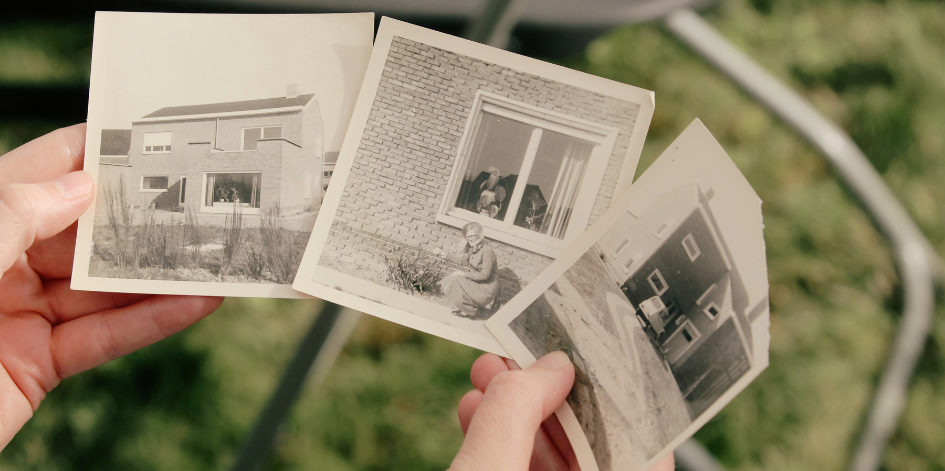
4. “Who is in this picture, and what was happening that day?”
Choose one photograph. There’s no need to tackle the whole album during a busy visit. Once you know the names, ask about the setting. Where were they? What were they celebrating? What happened just before or after the picture was taken?
Save it: Photograph or scan the picture, then write down the names, place, approximate date, and story. If someone isn’t sure of a detail, note that, too. Keep the information with the digital copy so you can find both later.
5. “What is something your mother or father used to say that you still remember?”
This question can come up over coffee or while you’re putting away the dishes. It may bring out practical advice, a funny expression, or a phrase the whole family still uses. You can follow up with: “When would they say it?” or “Was it something only our family would say?”
Save it: Ask to record the answer in their voice. If recording feels awkward, write down the phrase and the story behind it afterward. A quick note is still worth keeping.
Save the Story While It’s Fresh
You don’t have to ask all five questions at your next gathering. Choose one that fits the moment, listen, and see where it goes. If someone doesn’t feel like talking about the past, leave room to try another time.
Before recording, a simple “Would you mind if I saved this? I’d love for the kids to hear it, too” lets them know why you’re asking.
Afterward, give the recording or note a name you’ll recognize, such as “Mom’s Thanksgiving dressing story,” and add the date. Choose a dedicated place to save these memories, such as a “Family Stories” folder on your computer or in cloud storage. Keep a backup of recordings and photographs somewhere separate from your phone so you can find and revisit them for years to come.
There will probably still be dishes in the sink, an appointment on the calendar, and someone asking what’s for dinner. Even with a full calendar and an unfinished to-do list, we can begin now, right in the middle of everyday life.
This holiday season, choose one question, ask one person, and save one story. It may become a gift your family treasures for generations.
